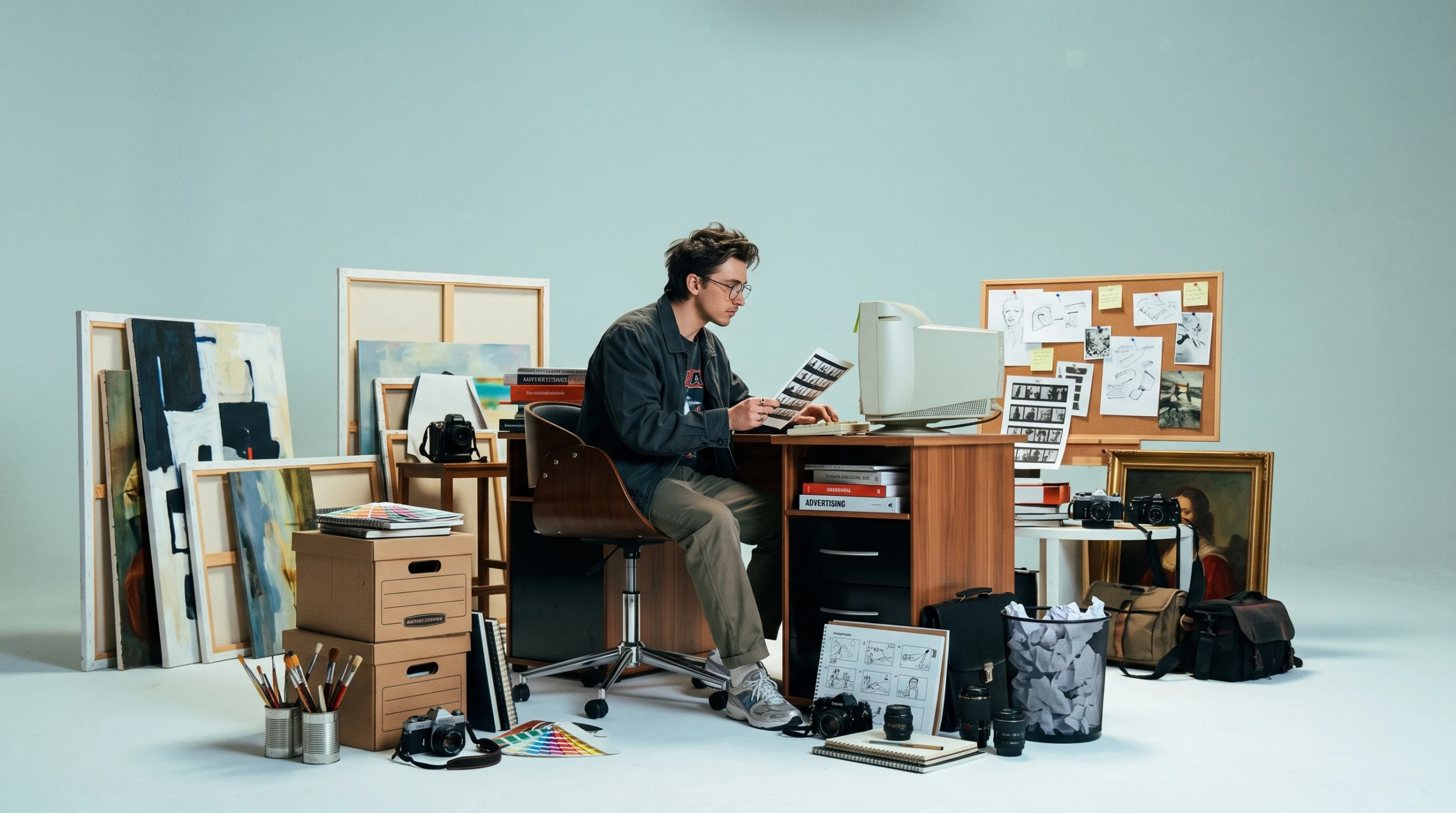
A film made this week can carry twenty years of experience.
You see it in the framing, the rhythm, the way a character holds your attention. You feel it in a world where the images belong together and the music arrives at just the right moment.
Across creative AI, filmmakers, designers, artists and advertising creatives are bringing established practices into unfamiliar territory. They arrive with careers full of references, experiments, collaborations and lessons. AI gives them new ways to draw on that experience, and more room to pursue ideas that previously stayed in their heads.
The tools might be new. The sensibility has been developing for years.
You bring more
than a prompt.
Over time, you build a creative library.
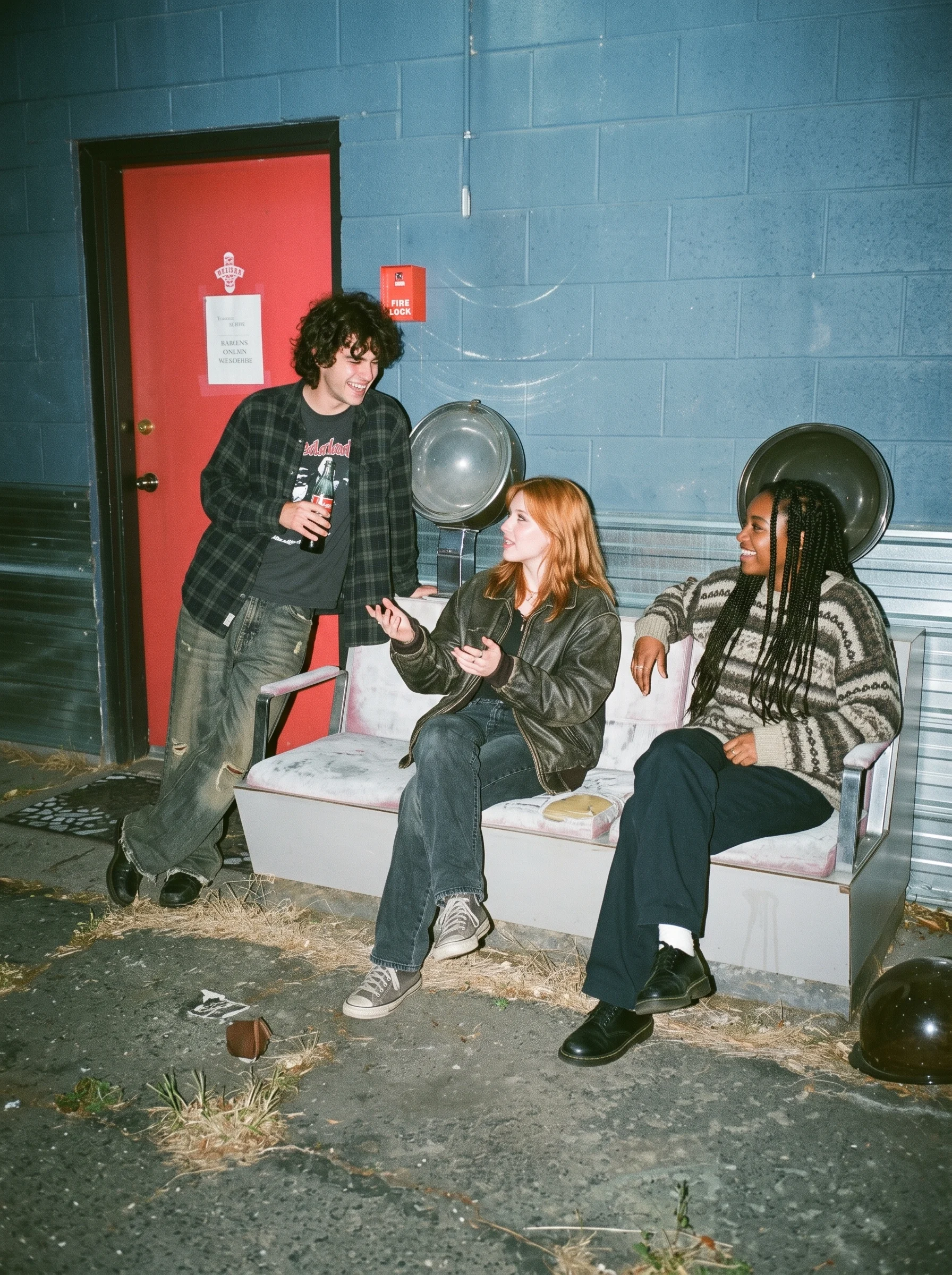
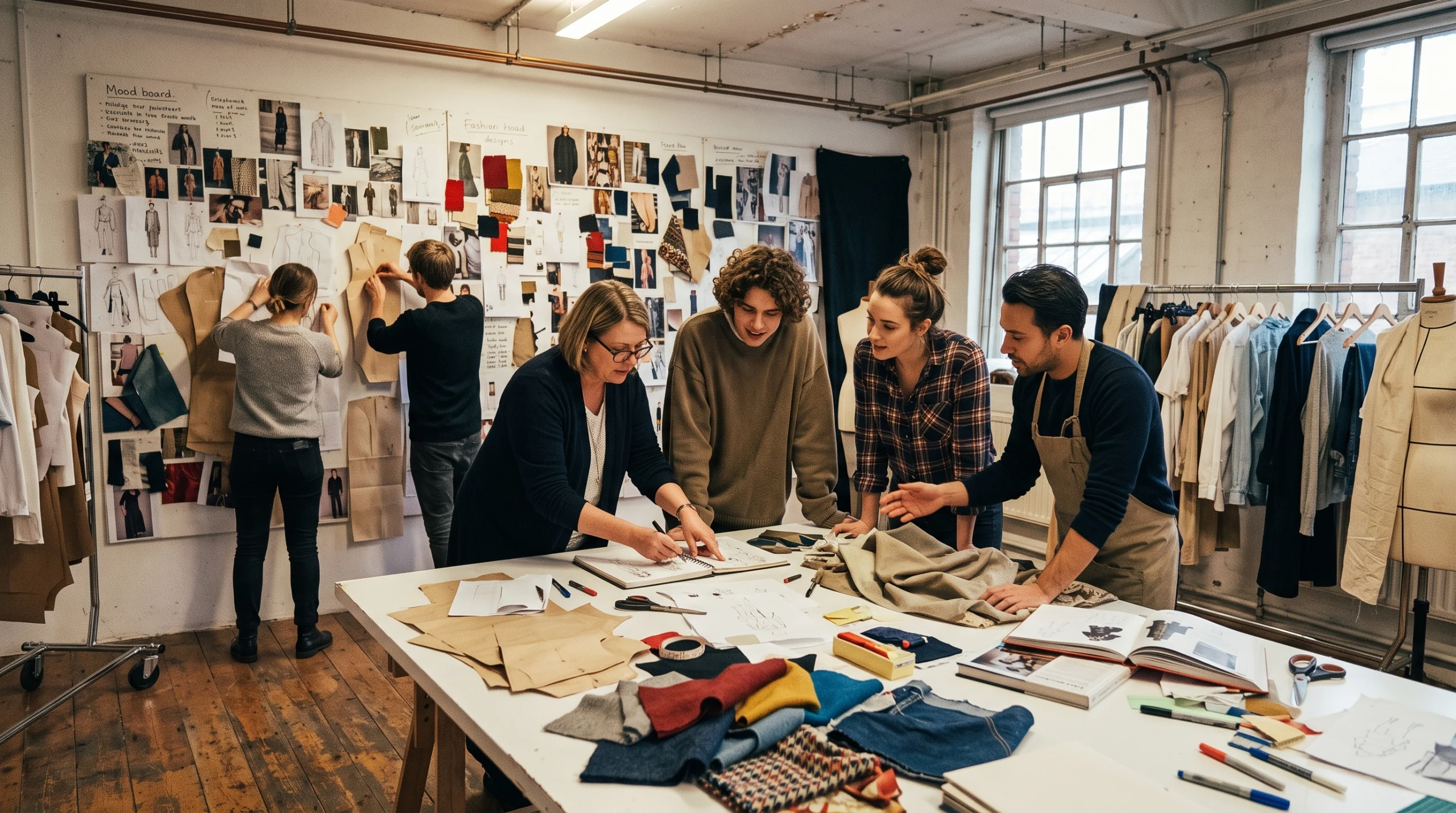
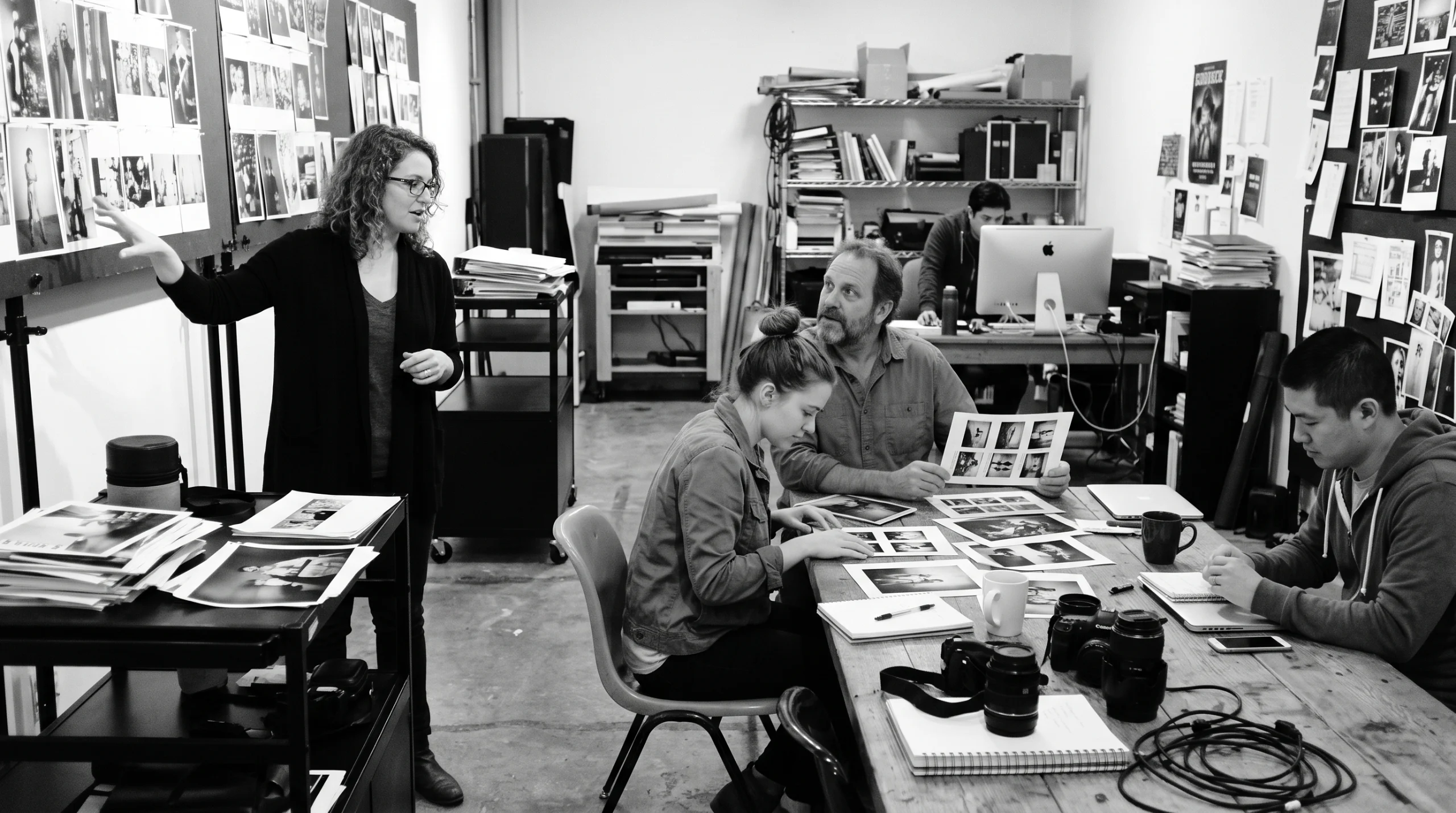
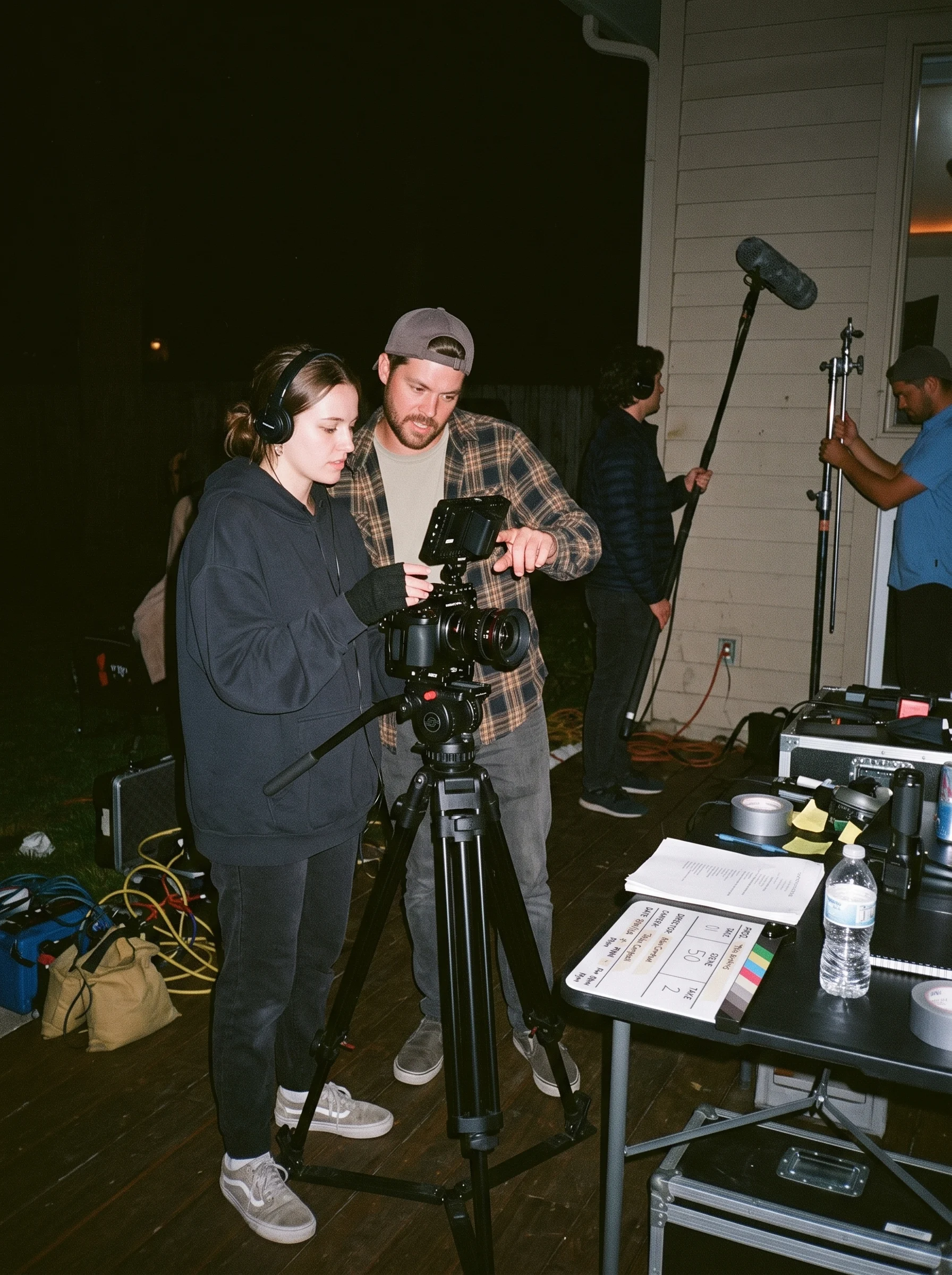
Some of it comes from studying films, collecting references and learning a discipline. Much of it comes through making. The shoot where you discovered how light could change a performance. The edit that finally worked after removing the shot you loved. The idea that became stronger because someone else saw something you’d missed.
Other influences follow you in from life. Music, places, people, conversations. Things you return to without quite knowing why.
Eventually, that library becomes part of how you work. You notice a possibility. You recognize a problem. You have a feeling about where to take something, even before you can explain it.
AI creates more opportunities to follow those instincts. A thought can become something visible while it is still forming. You can explore a direction, respond to what appears and discover another way into the work.
For an experienced creative, there is a particular excitement in that: everything you’ve accumulated has somewhere new to go.
The ideas you
learned to put away
Early in a creative career, an idea can grow quite large before anyone mentions what it will cost.
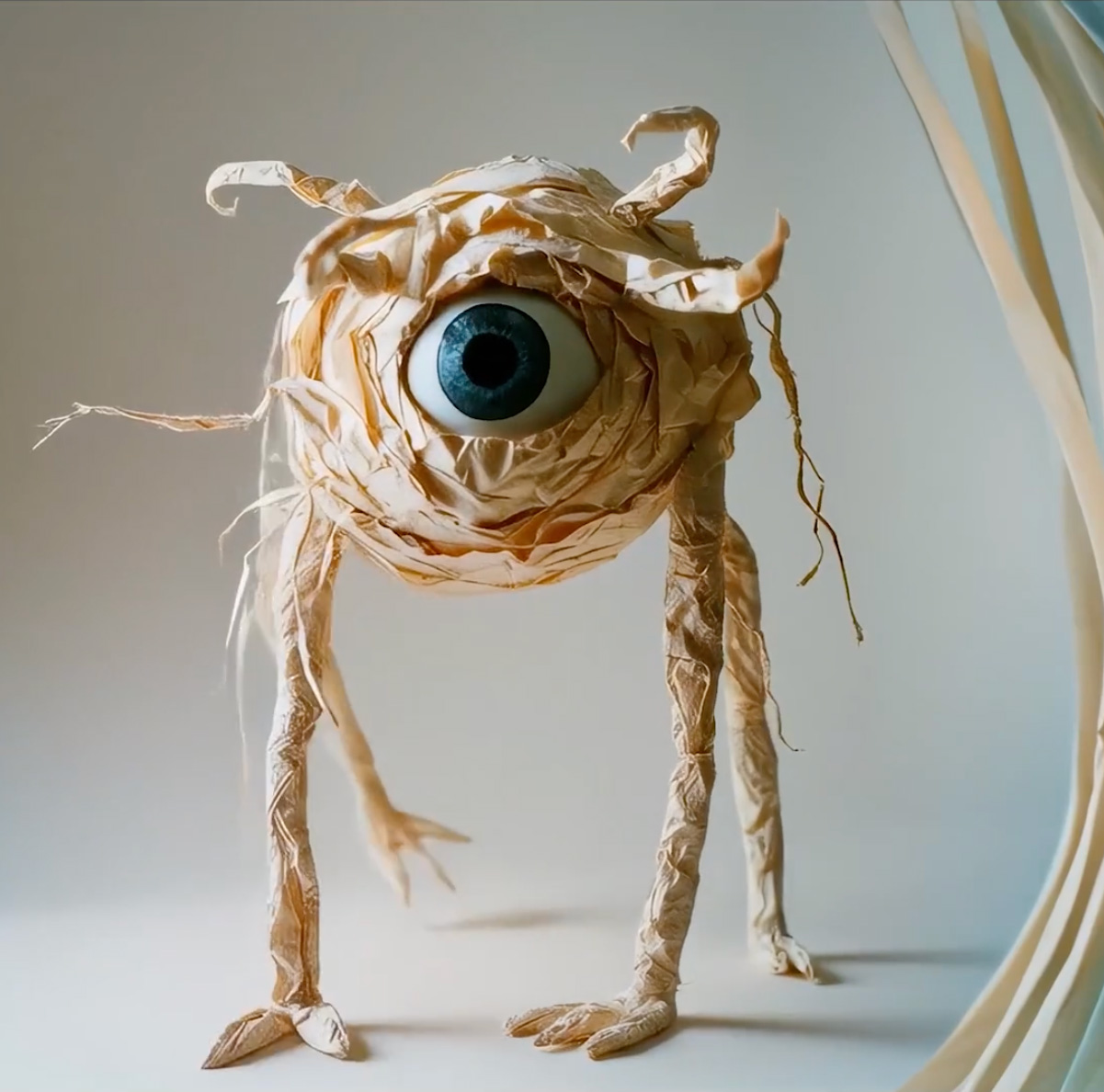
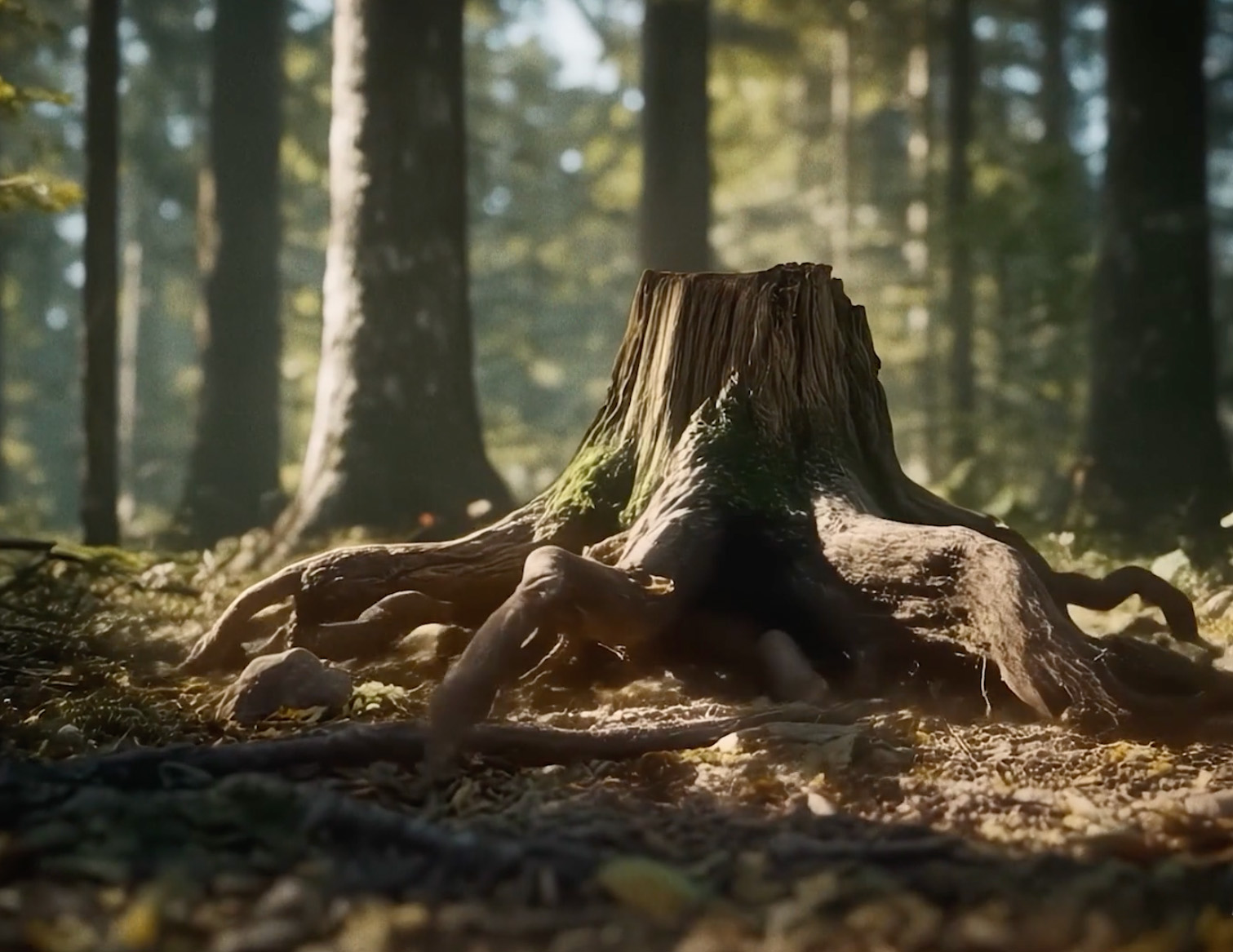
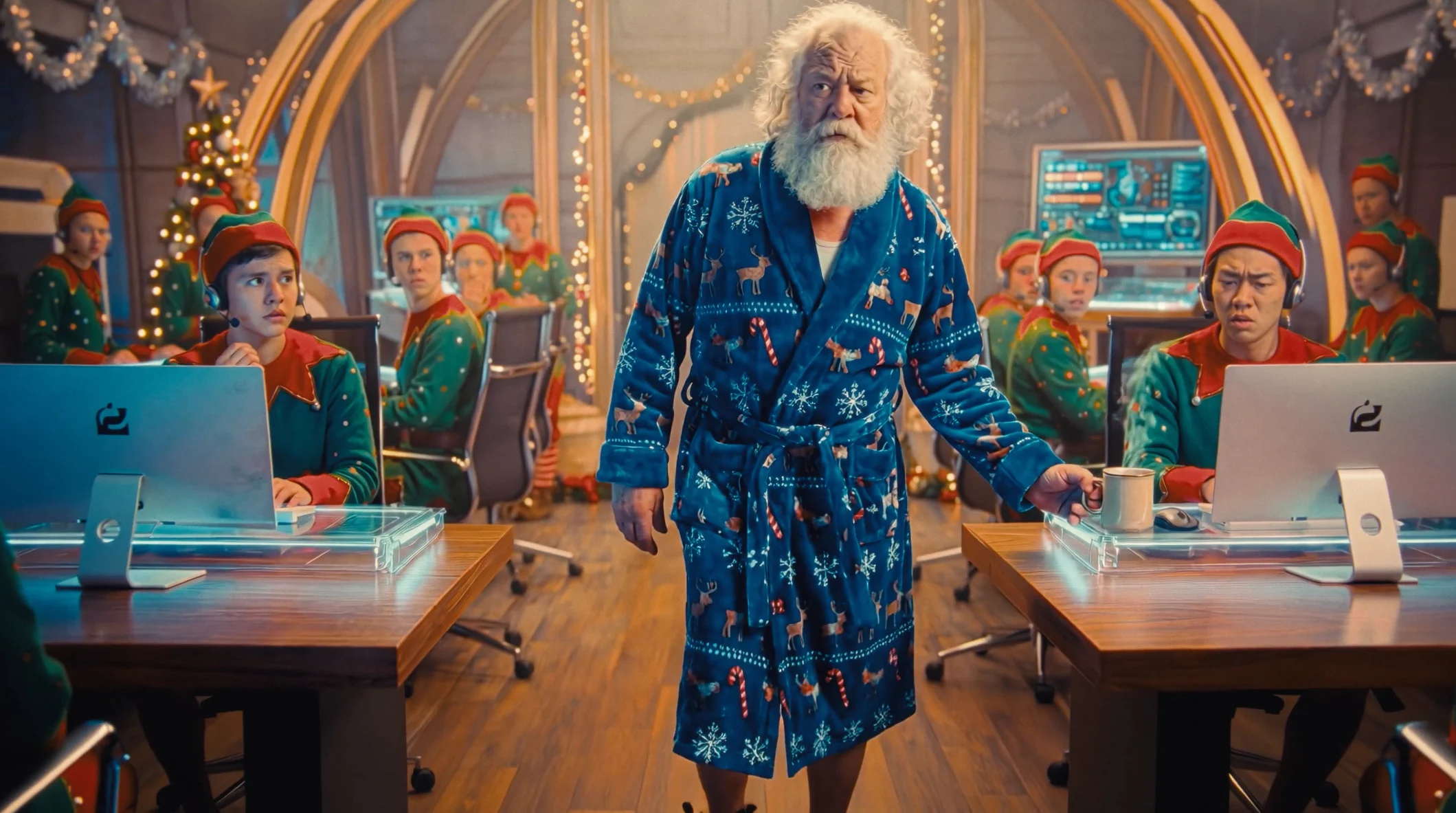
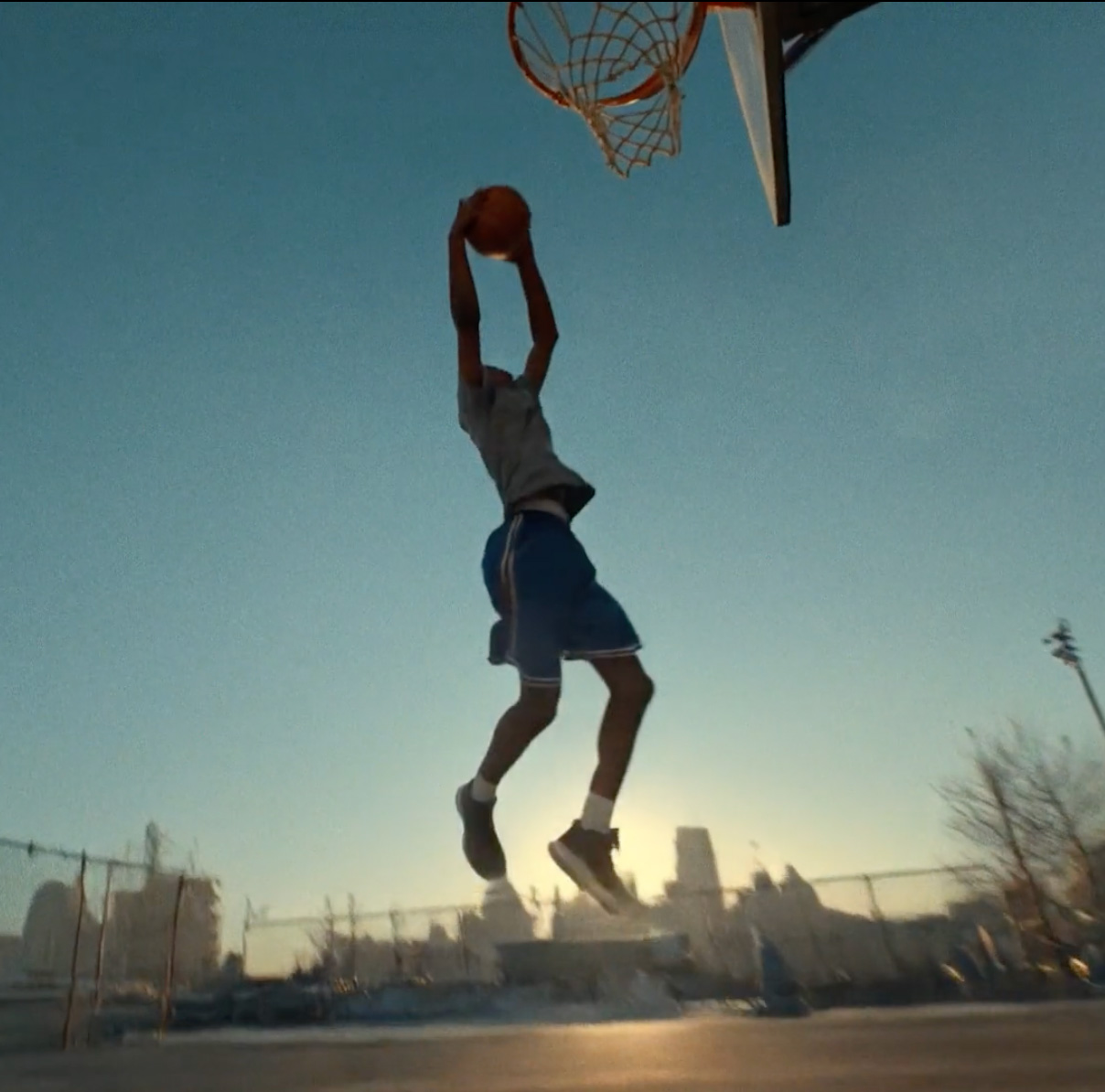
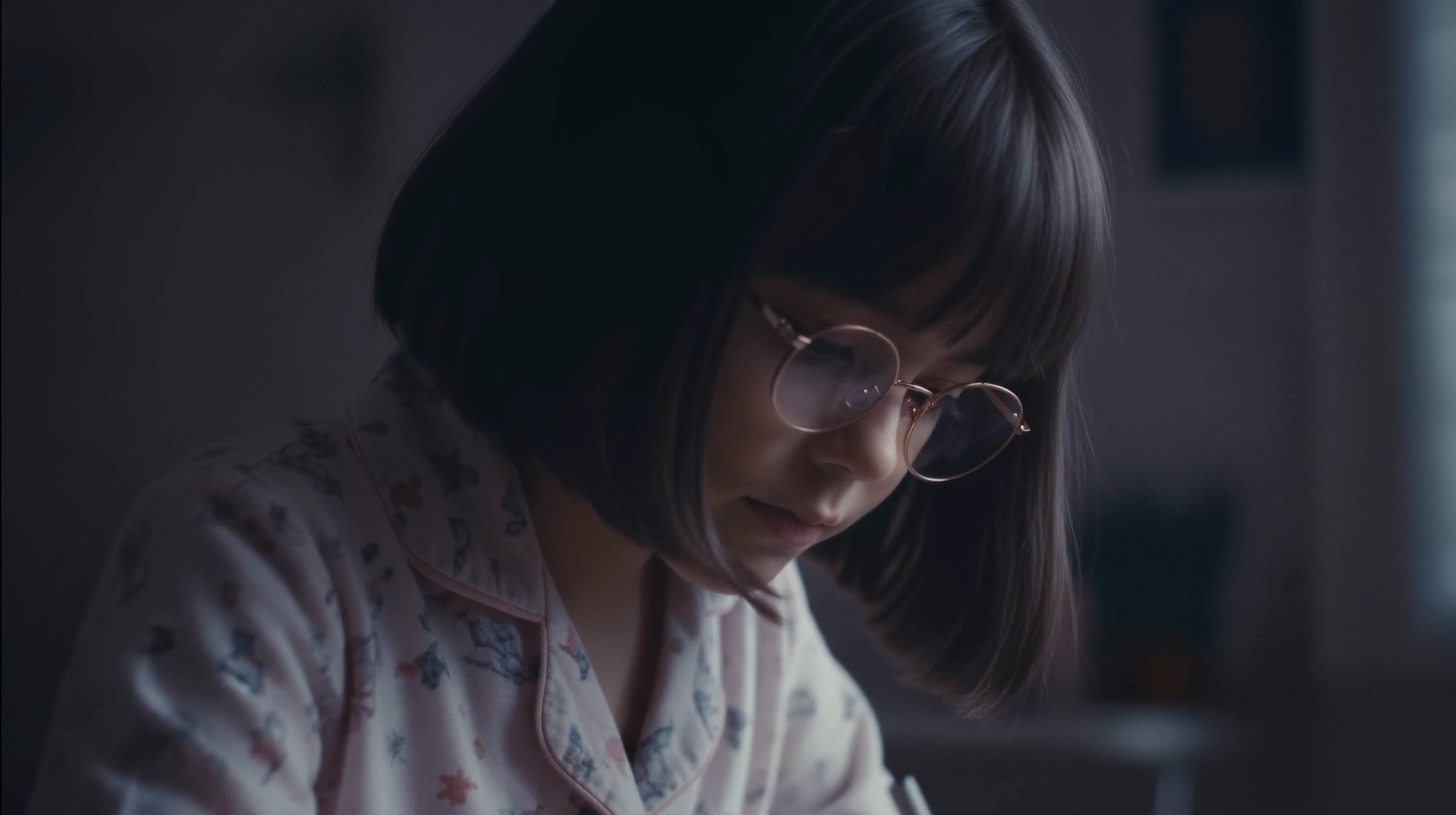
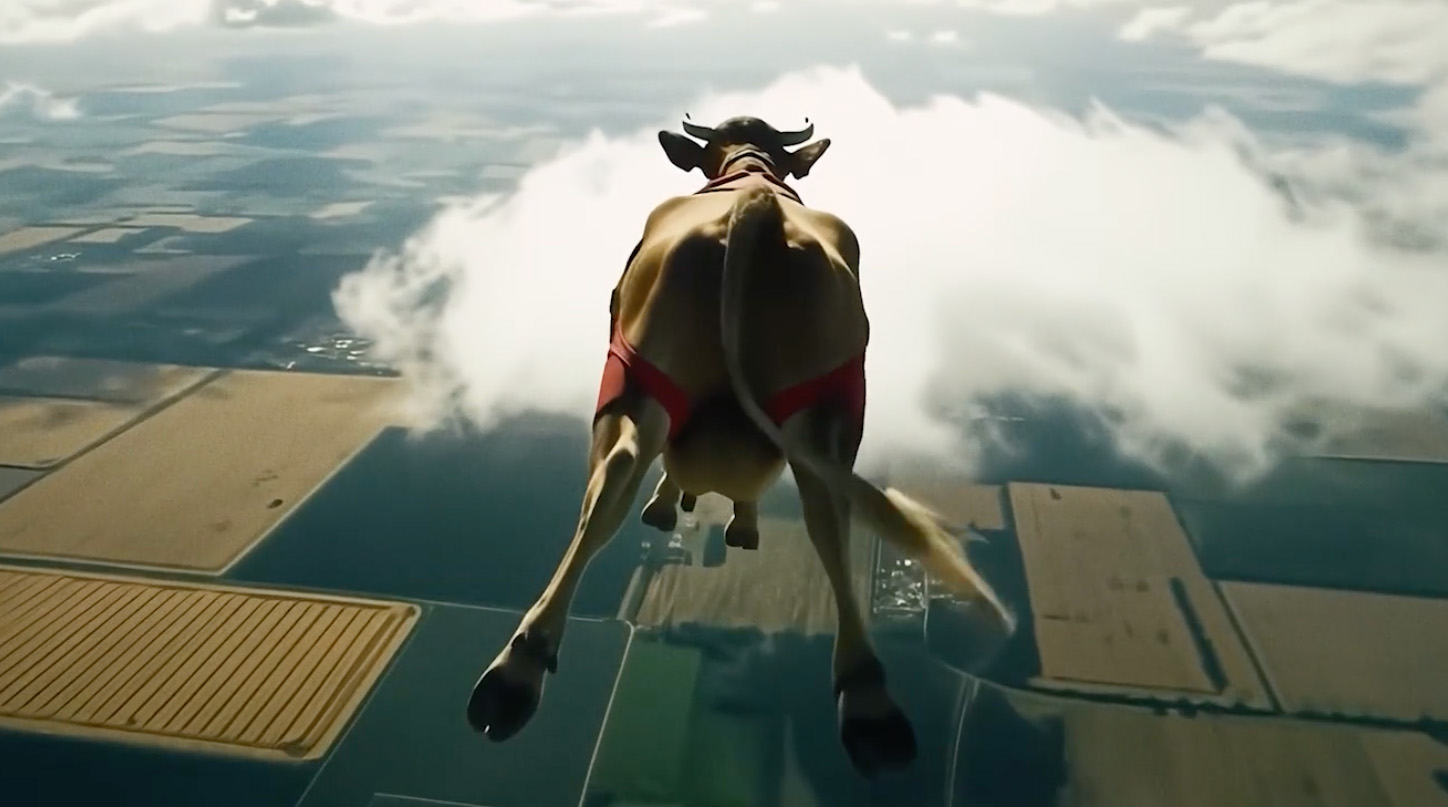
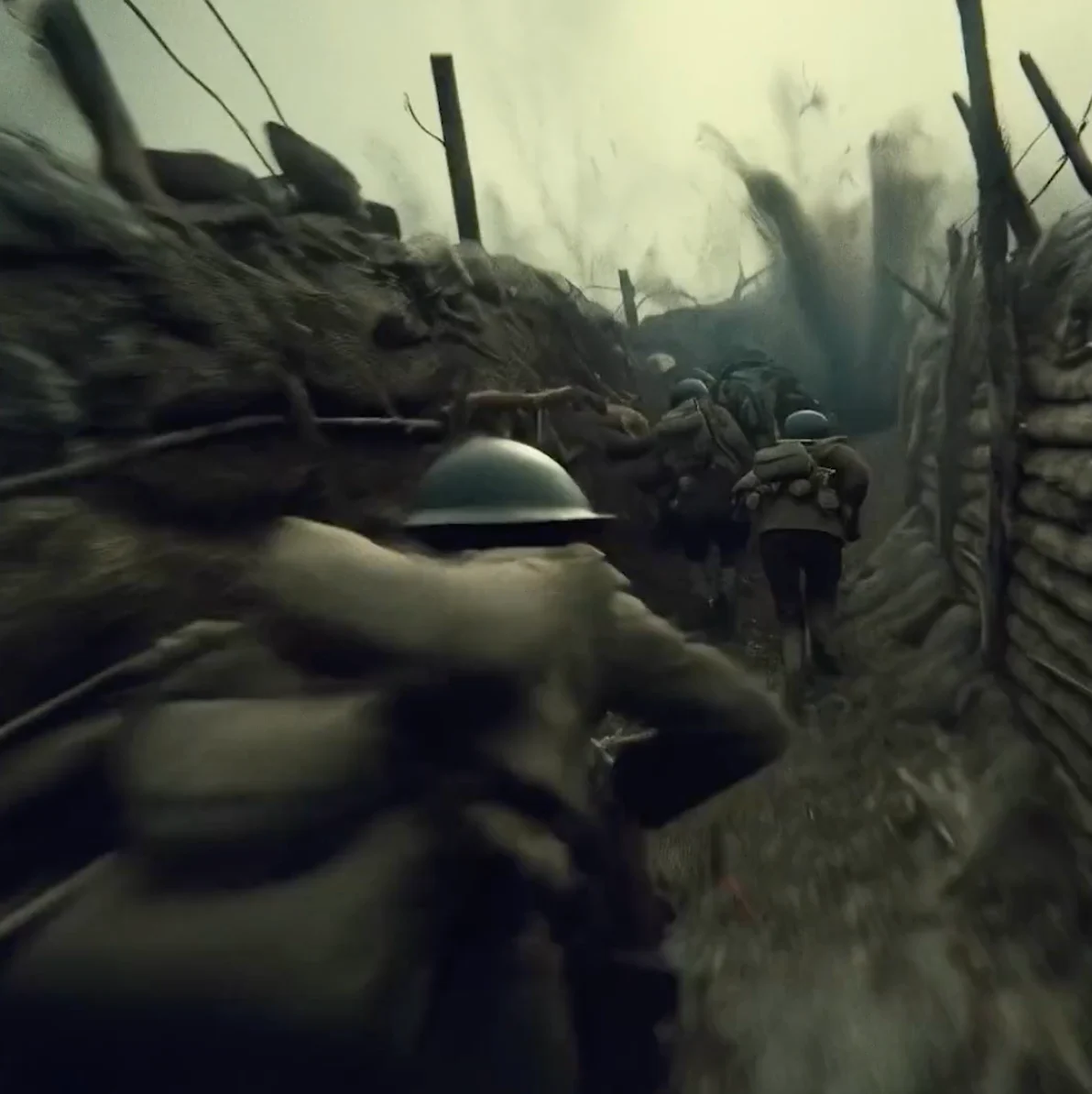
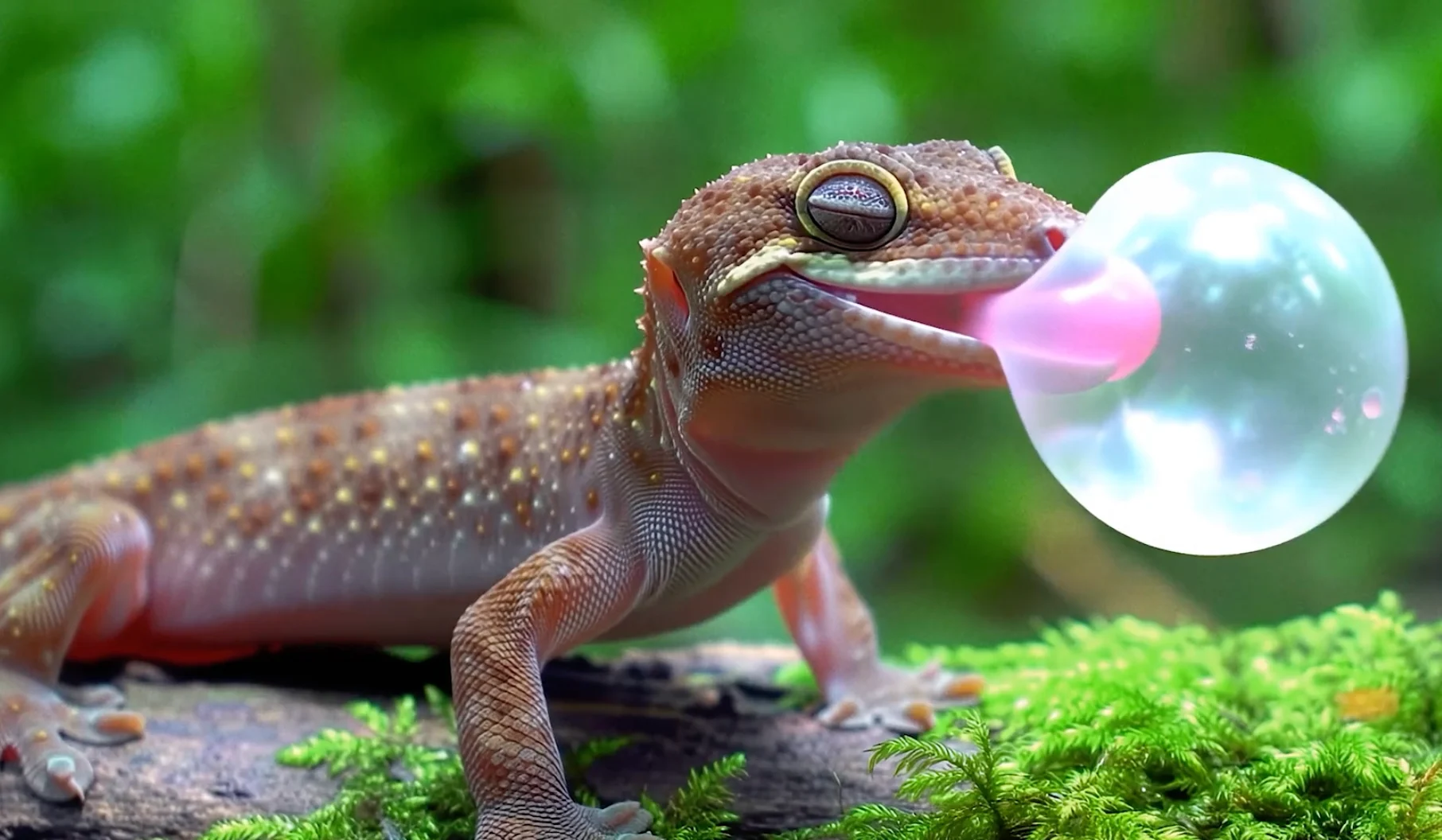
Then you learn. Locations, casting, construction, effects. You become familiar with the practical questions and better at developing work that can actually happen. Eventually, you may start making those adjustments before anyone asks.
AiCandy founders Marcus Tesoriero and Kent Boswell have spent their careers inside that relationship between imagination and production. Marcus brings advertising and creative leadership experience; Kent brings technology and production expertise. They understand the ambition behind an idea and the work involved in realizing it.
Their move into AI filmmaking creates room to revisit possibilities that commercial production had taught them to put aside. Ideas once too expensive or impractical can become starting points again, developed through a practice that brings together experienced filmmakers, creatives, producers and specialist AI artists.
Returning to an idea after years of making other work is its own kind of opportunity. You bring the original spark, alongside everything you’ve learned since. You might see a better story inside it, a different way to realize it or a reason to take it somewhere more ambitious.
For AiCandy, that renewed freedom is part of the attraction. The scale of an idea can open up again.
AI gives us another way to open that door again.
Seeing what you’re thinking
For a director, there is a considerable distance between imagining a scene and discovering whether it works.
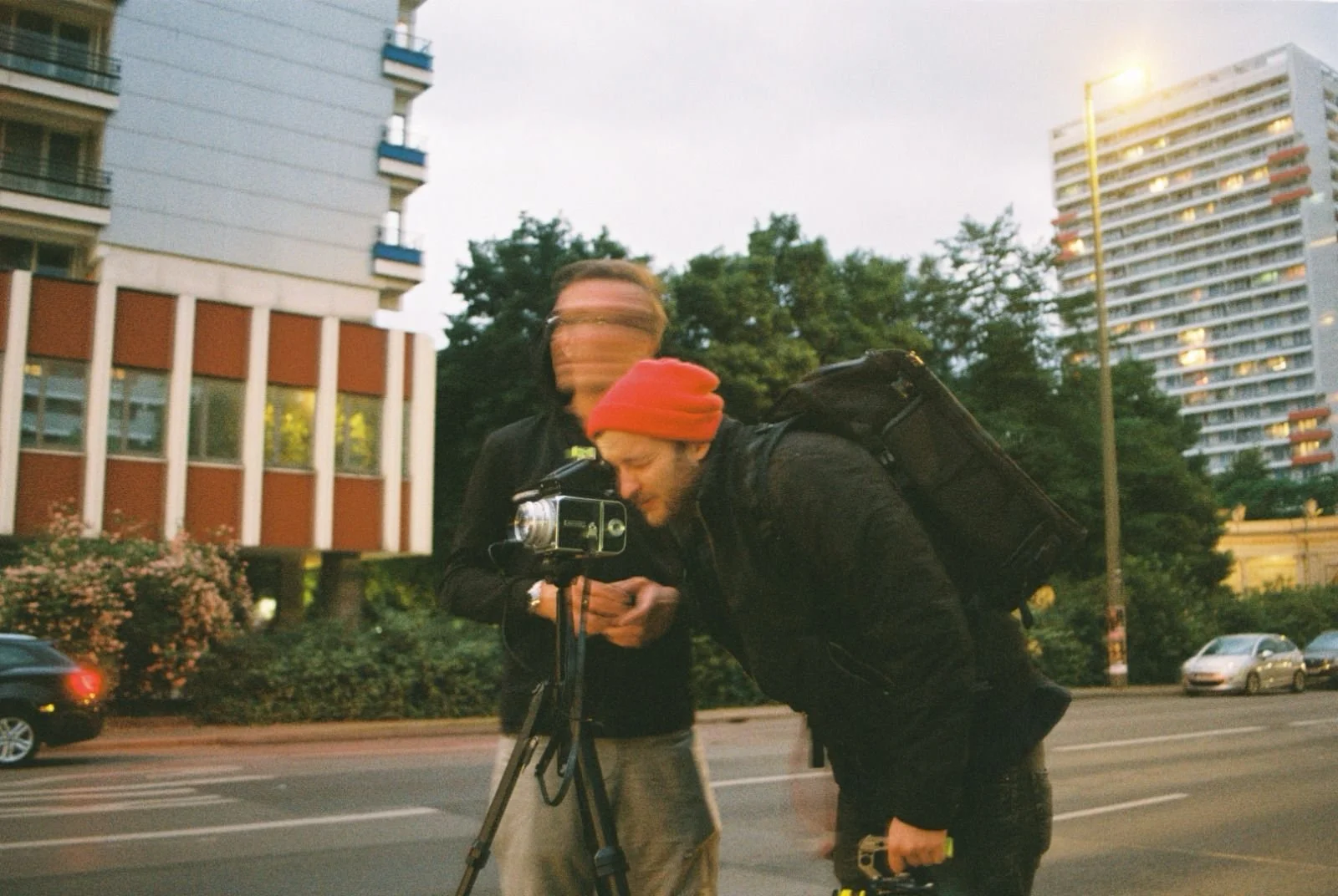
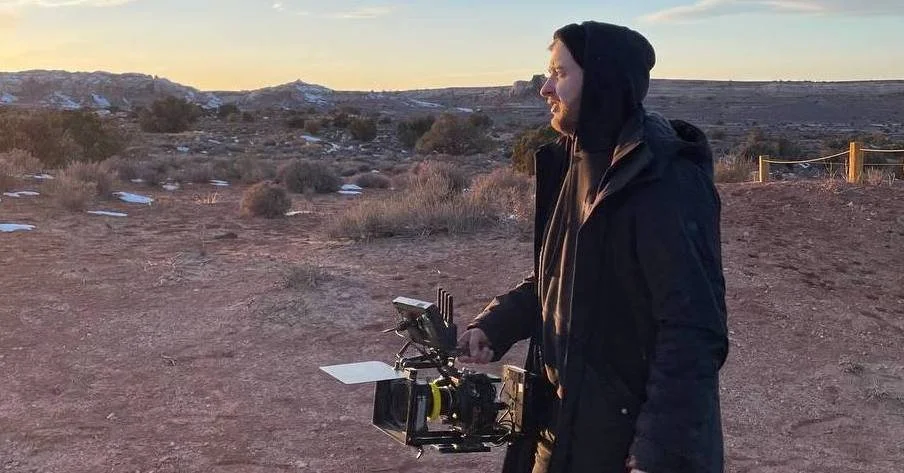
Simon Meyer knows that distance from television, commercials, photography and short films. His background combines filmmaking and programming, followed by years working as a DOP and director.
AI gives him more room to explore an idea before production fixes it in place. Visual possibilities can develop early, while there is still time to reconsider. A scene that once existed as a description becomes something to look at, respond to and refine.
That freedom means something particular when you’ve worked on set. You know the feeling of having people, equipment and a schedule assembled around a decision. You know how quickly the opportunity to change it can pass.
Earlier exploration gives the idea more time to develop. Experience helps guide that process: recognizing what serves the story, what feels convincing and what deserves another attempt.
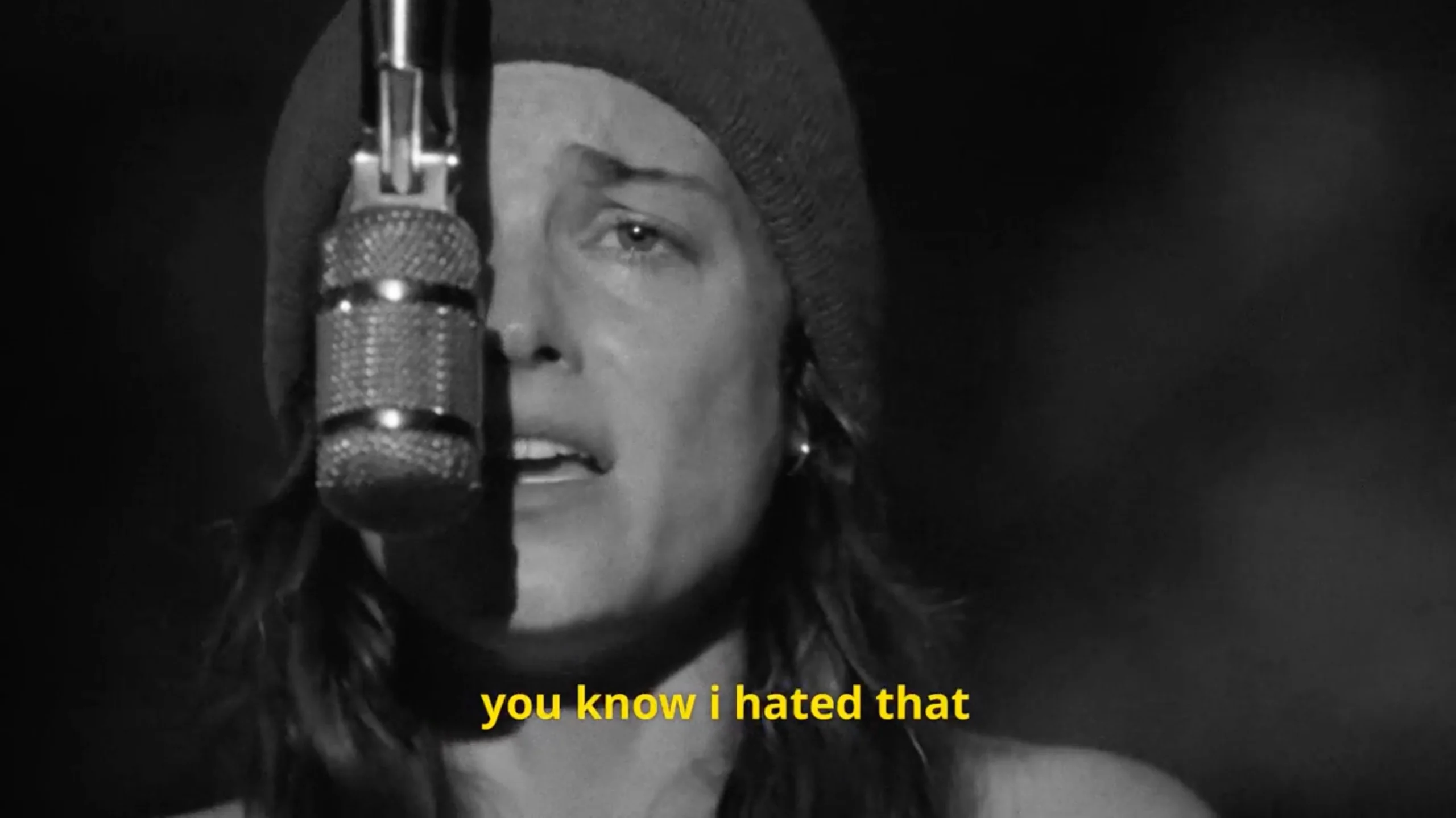
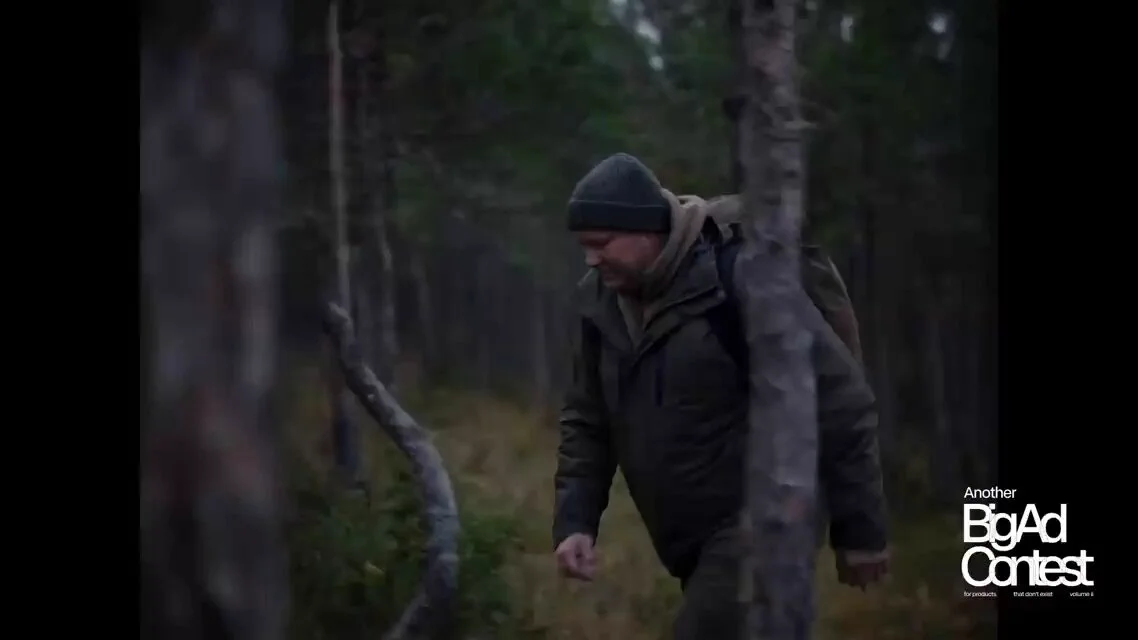
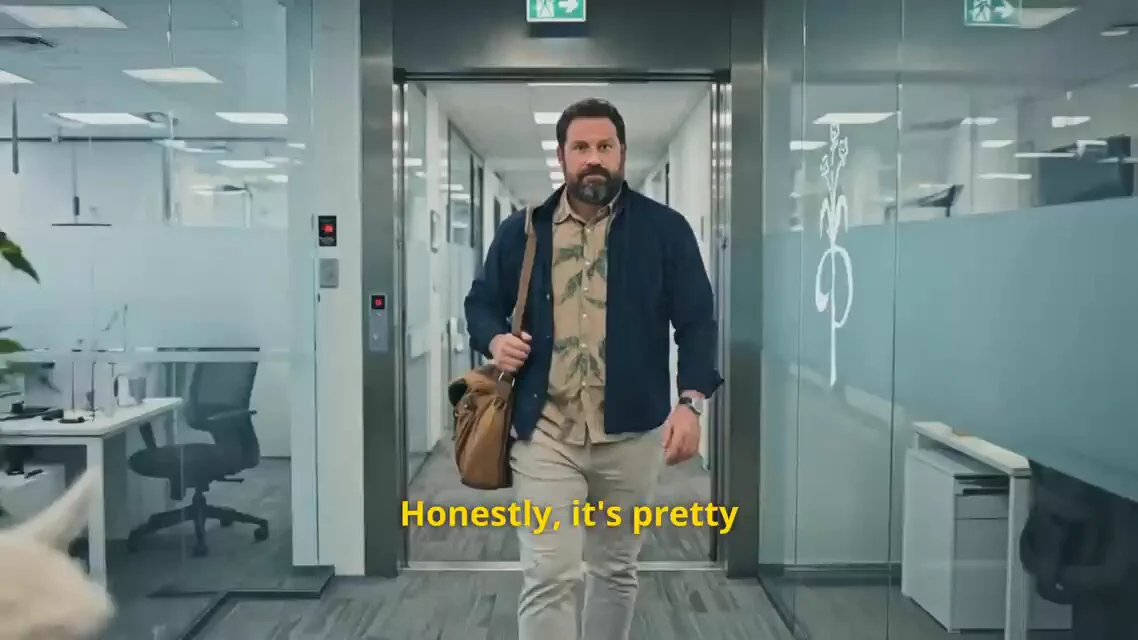
A technical constraint became a creative decision
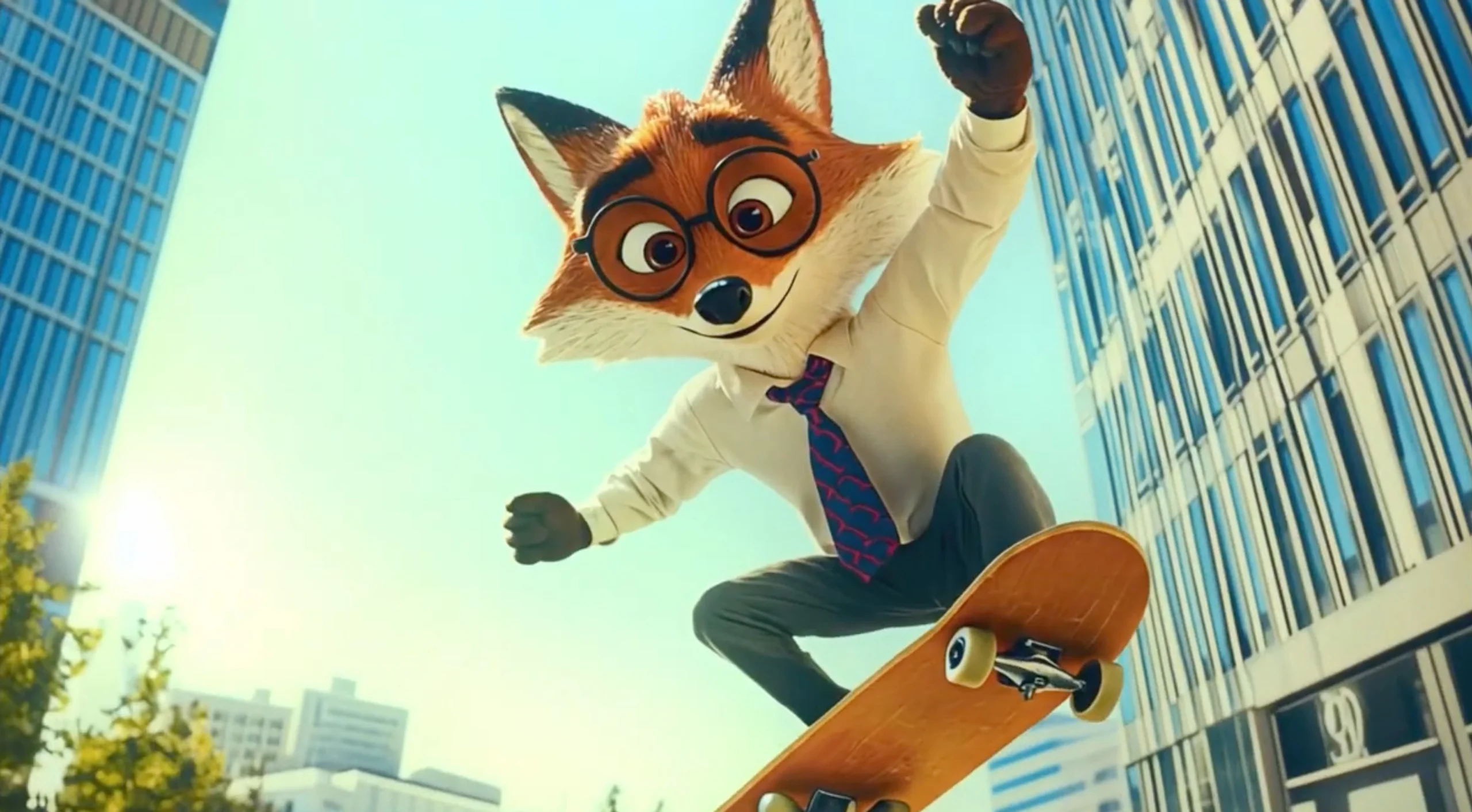
Meyer’s Culture Pop film offers a small example of that judgment. Its fox character grew from a practical consideration (an animal was easier to keep consistent with the tools available) but became the center of a relatable story about routine and the desire to escape it.
The film found its character, and the character gave the story somewhere to go.
On the record
- 1st
- Higgsfield AI Action Contest · Grandma vs Wasp
- $150K
- Grand Prize, Higgsfield AI Action Contest
- 2nd
- Runway’s Big Ad Contest · Not for Vampires
Experience gives you somewhere to begin. Curiosity gives you somewhere else to go.
A world that was already there
Kelly Boesch’s creative life spans abstract painting, fashion, graphic design, music videos and seventeen years at IMAX in film production and marketing.
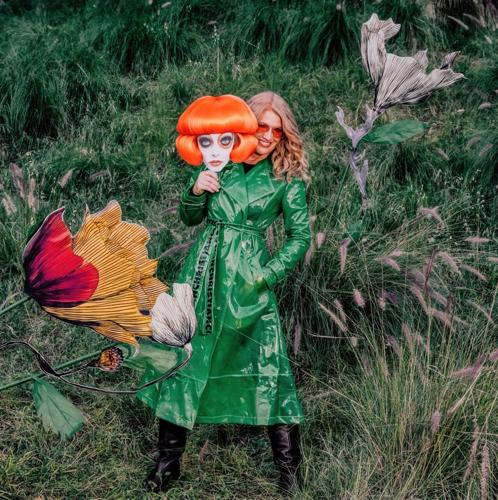
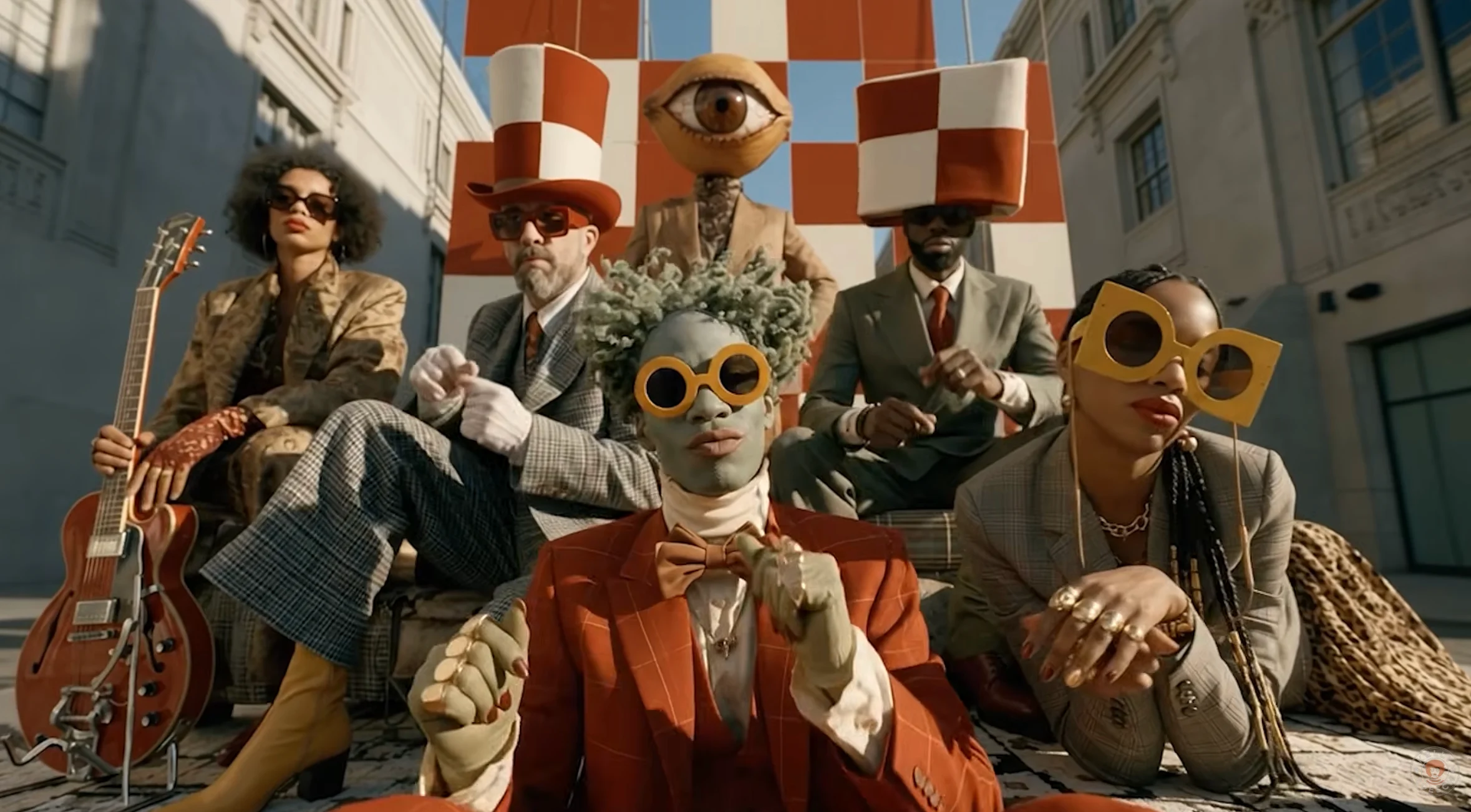
Those experiences come together in a practice filled with surreal characters, expressive color and movement.
Painting informs her attention to composition and palette. Film contributes a cinematic sensibility. Music adds rhythm and atmosphere, drawing on a longstanding affection for downtempo, acid jazz and sounds with a groove.
AI gives those influences more ways to meet. A visual concept can become a character, then a moving presence, then part of a musical world. Boesch often develops the visuals first, finding a musical direction through the movement and bringing the relationship together in the edit.
There is something compelling about a practice where so many parts of a creative life become available at once. Professional experience sits alongside personal fascinations. A feeling for color meets a love of music. An imagined character gets to move.
Boesch’s work grows from that collection. The tools give her more room to explore it, and the freedom to turn surreal concepts into work she can share.
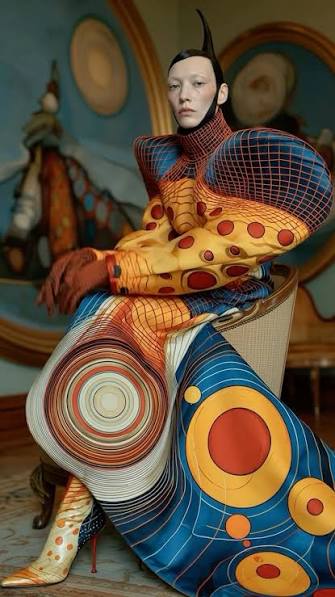
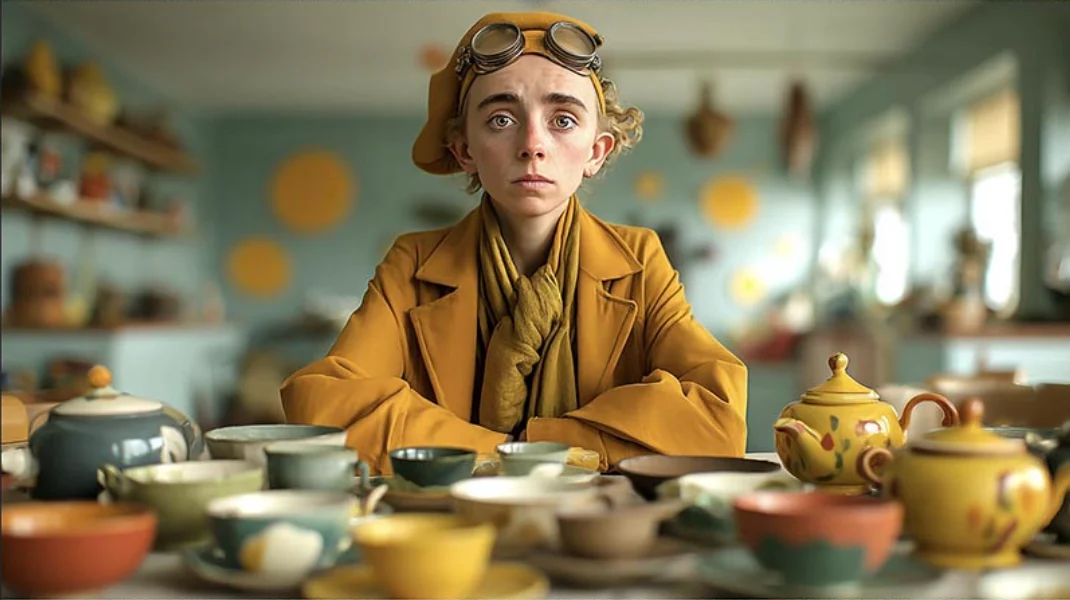
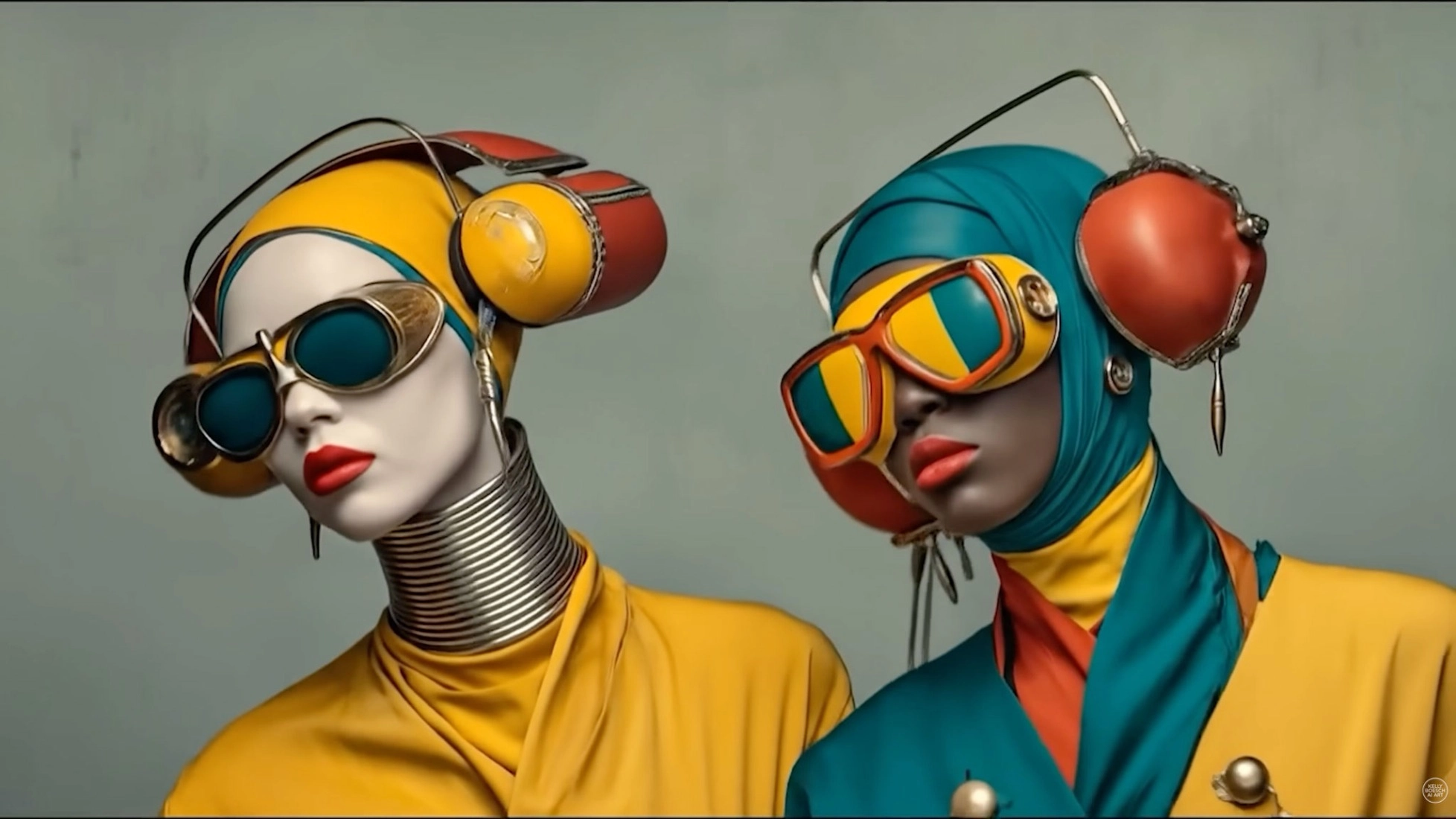
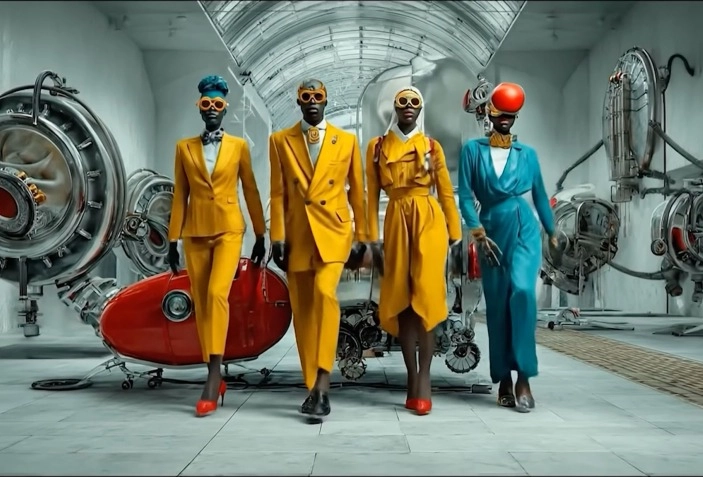
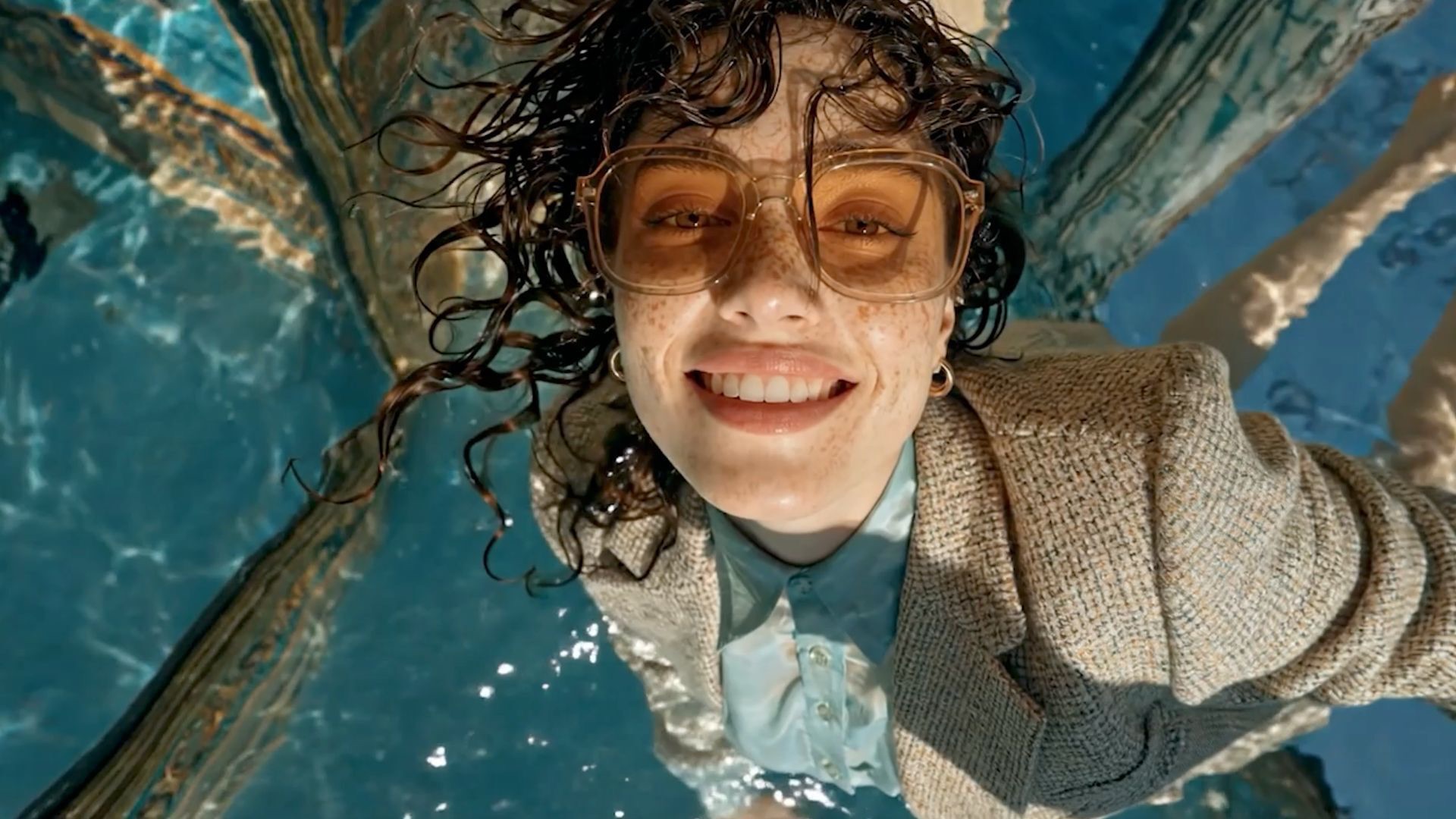
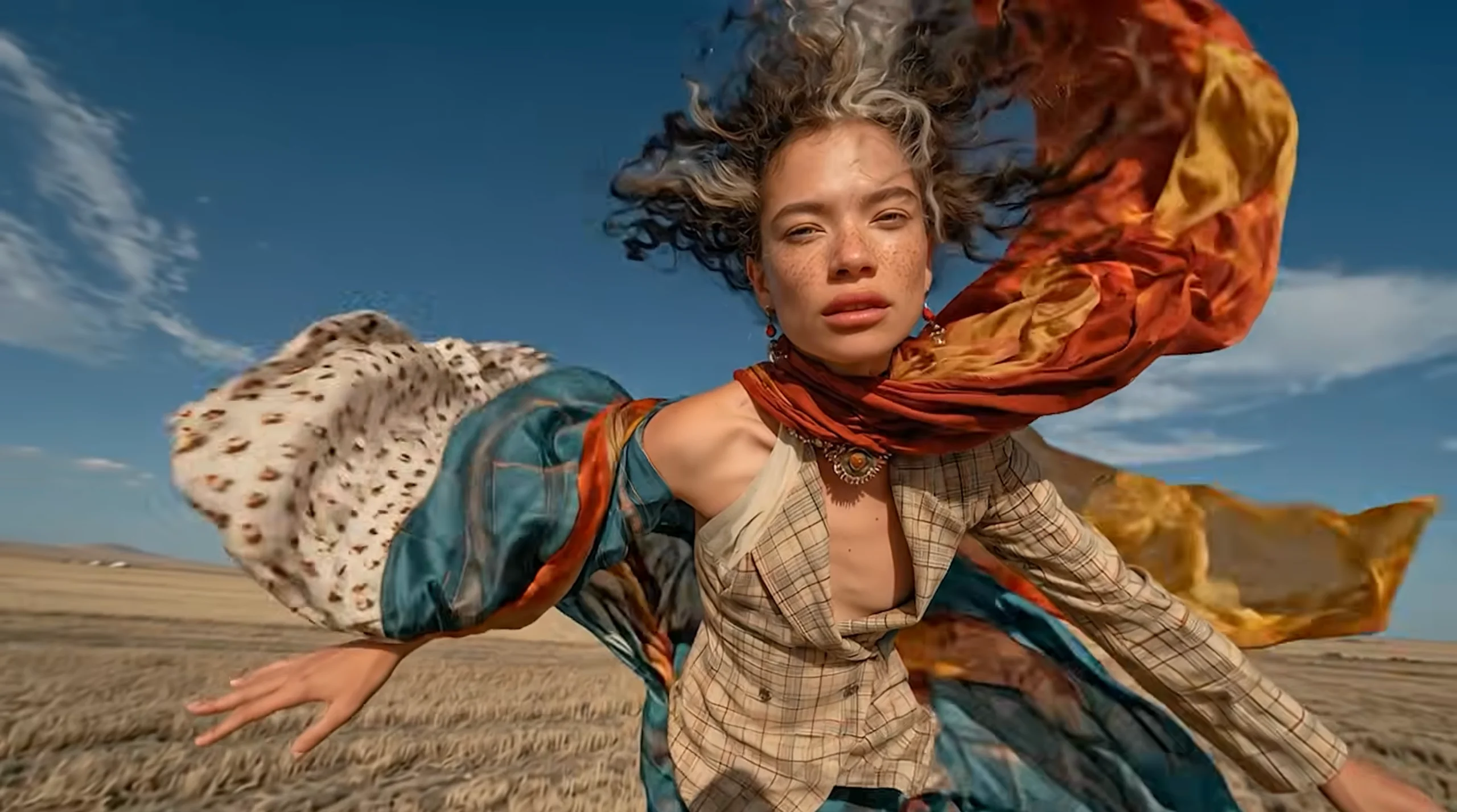
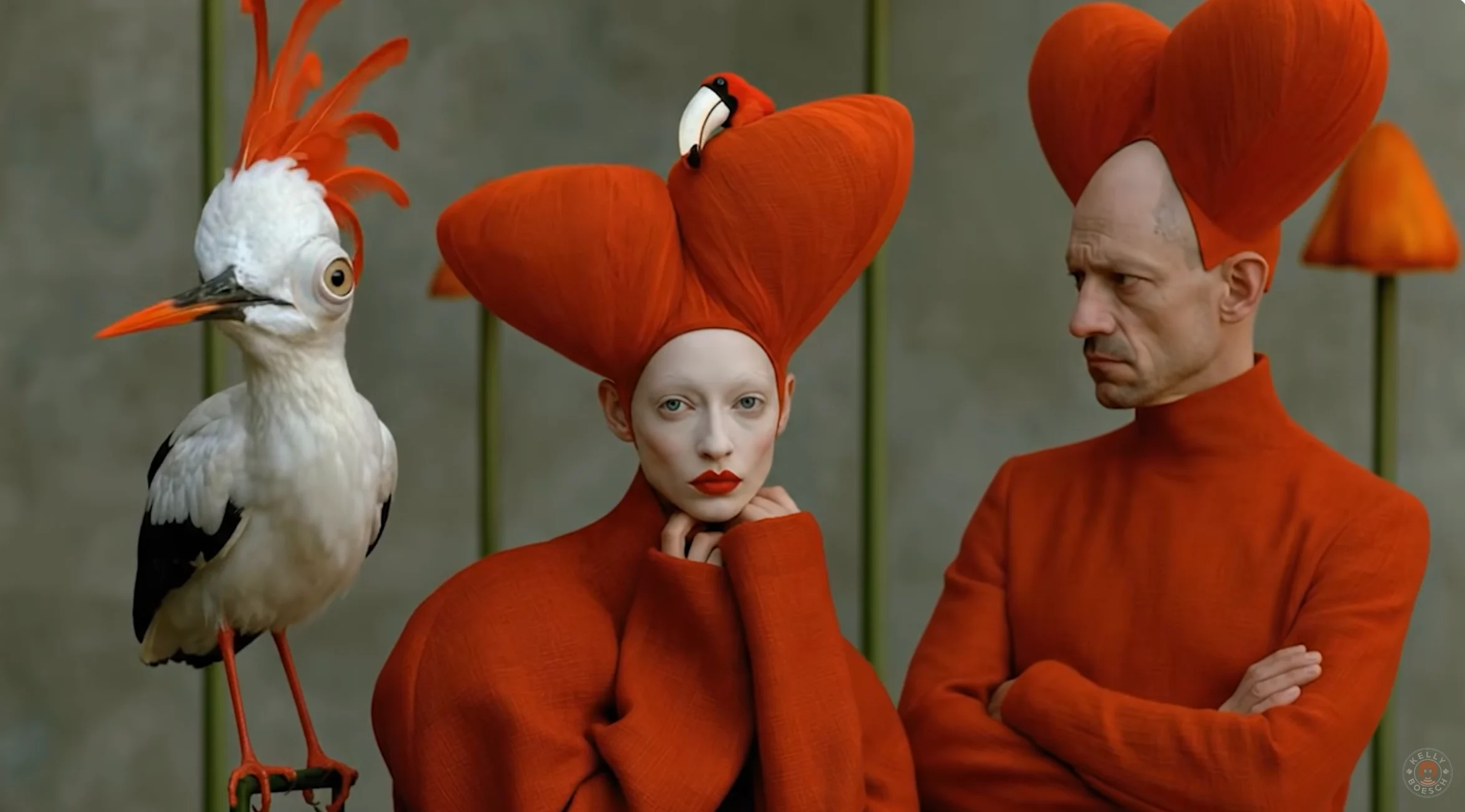
I always get lost in time enjoying beauty.
Everything you bring
Some of the most exciting work emerging from AI has roots that reach back long before the tools existed.
Years on set. A career developing ideas. A lifetime spent looking at images, making things and learning what makes them work.
That history can be easy to overlook. We see the latest film or image, wonder how it was made and look for the model behind it. The person’s experience is harder to name, even when it runs through every frame.
AiCandy, Simon Meyer and Kelly Boesch bring different creative histories into this field. What connects them is how much they have to draw on. Their work carries the judgment, references and sensibilities developed through everything they made before it.
For an experienced creative, there is something encouraging in that. The years you’ve spent learning your craft give you more to explore with these tools. An idea you once put aside might be possible now. A direction you couldn’t afford to test might be worth another look. Your practice can keep expanding.
Some of the best new work may come from people who have been preparing to make it for decades.
We’re seeing what happens when they finally get the chance.